
Key Takeaways
- Appetite changes with dementia can come from shifts in taste and smell, medication changes, or low activity during the day.
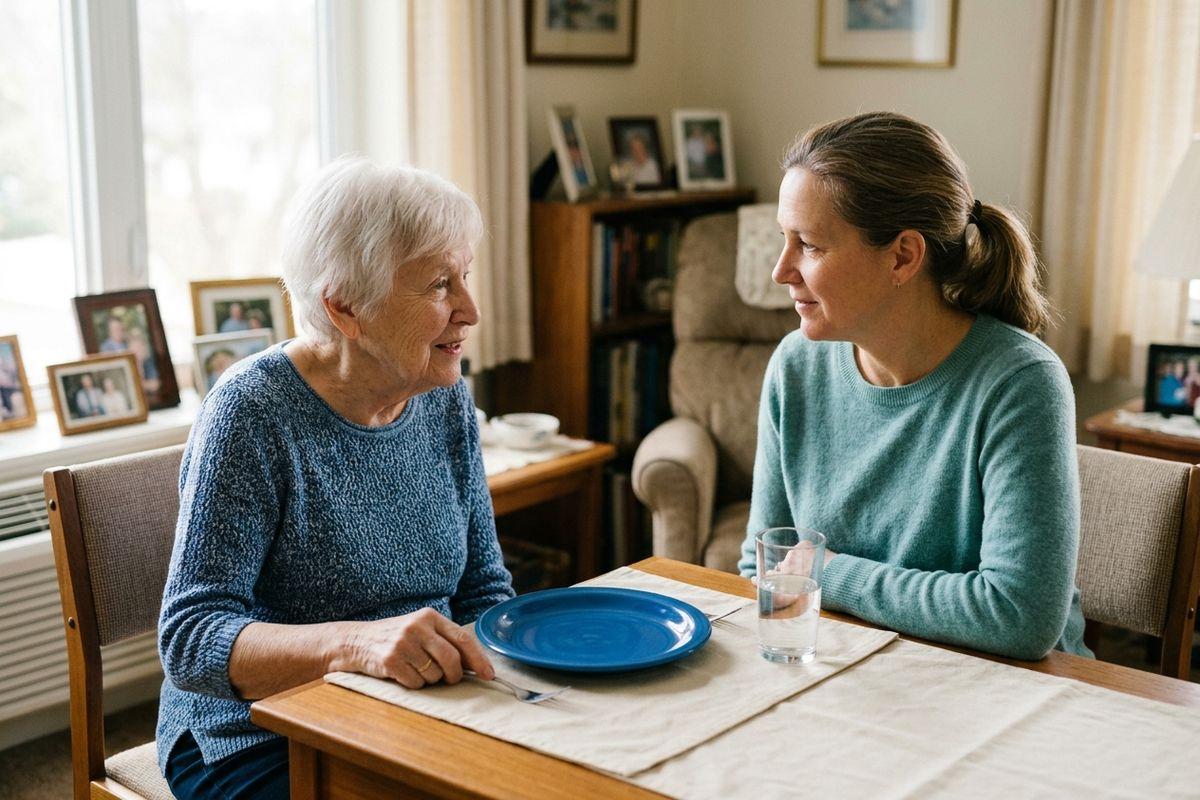
- A quiet room, familiar seating, and simple table settings can make meals feel calmer.
- Finger foods, favorite dishes, and one item at a time can encourage eating.
- Smaller, more frequent meals and small cups of fluid support daily nutrition.
- Memory care offers chef-prepared meals and caregivers who notice appetite changes.
When a Loved One With Dementia Stops Eating
You set the plate down. When you came back, it was barely touched. You may see that kind of rejection as something personal, like you’ve done something wrong. Our team at All American Assisted Living at Warwick understands that feeling. And we’re here to tell you that their loss of appetite isn’t something that you’ve caused. Rather, it could be due to dementia.
Appetite loss is a common part of living with dementia. But small changes to the food, setting, and pace can help your loved one eat more comfortably.
Why Appetite Changes Happen with Dementia
Dementia doesn’t just affect cognitive function. It can also affect a person’s senses, such as taste. Food that once tasted wonderful can taste like nothing at all. These shifts mean a favorite chicken dish may not spark the same interest it used to.
Some other factors can also affect appetite. Medication changes can affect hunger, so can a quiet day spent mostly sitting. Low activity demands less fuel from the body. That results in less food intake.
Physical Reasons Behind Mealtime Struggles
Sometimes the issue isn’t the food at all. Sore gums or dentures that no longer fit can turn a soft piece of bread into something painful to chew on.
Foods of certain textures can be hard to manage with swallowing or chewing troubles. And tiredness or fatigue can end a meal early, despite their stomachs not having been filled.
Signs to Watch For
Small clues often show up before any verbal cues about being hungry. Keep an eye out for:
- Weight loss, weakness, or lower energy than usual
- Food held in the mouth instead of swallowed
- Meals skipped or forgotten entirely
- Less interest in dishes that were once favorites
How to Make Mealtimes Calm and Comfortable
A busy room competes for attention. Try turning the TV off and stepping away from crowds. A peaceful environment can make it easier to focus on the plate.
It also helps to keep the table simple. A solid-colored plate, a single napkin, and no extra clutter can help food stand out. Less on the table means more attention on the food item itself.
Familiar routines matter too. Consider serving meals around the same times each day. And pick the same seat at the same table. The stability gives the day a comfortable rhythm that promotes appetite.
Small Setup Changes That Help
Try taking advantage of contrasts, like placing a blue plate against a white mat. Mashed potatoes melt on a white plate and disappear. A bold contrast can help resolve this issue.
Temperature is also an important element. Food that’s pleasantly warm rather than hot invites a big first bite.
Ways to Encourage a Senior Who Eats Very Little
A full plate can feel like a lot to take in. Offering one food item at a time keeps things manageable. Don’t hesitate to lean on favorites either. A dish tied to happy memories or finger foods like cheese cubes and chicken strips can encourage small bites.
Reserve plenty of time for each meal. They may take longer than they once did. That’s perfectly fine. Good health is always worth the wait.
Gentle Prompts for Independence
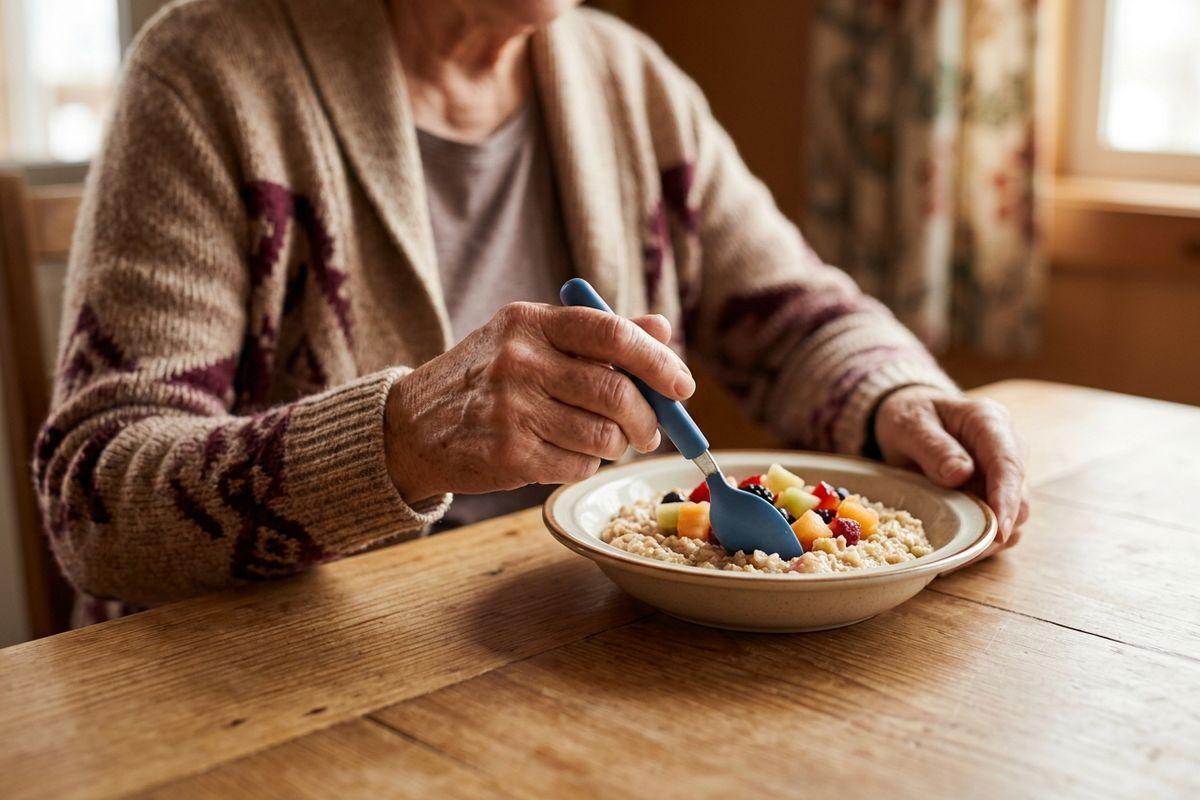
The right tools can keep your loved one dignified and independent. Bowls, rimmed plates, and easy-grip spoons help food stay put and feel steady in the hand.
When a little help is needed, hand-over-hand guidance can get things started. This way, your loved one can stay in charge of the motion. This kind of control helps fortify their sense of self.
And don’t worry too much over spills. Neatness matters far less than the fact that your loved one is enjoying a meal on their own terms.
Choices and Communication
Choices are great, but sometimes they can get confusing for someone with dementia. Offer two simple options rather than an open question. Holding up two plates, or using pictures, makes choosing meals easier.
Kind words are best served with a warm tone. The food is only half of the actual meal. Sit down and chat about the weather. Let the meal feel like company rather than a task.
Food and Drink Ideas That Support Nutrition
Build meals around vegetables, fruits, whole grains, and lean protein. Think scrambled eggs with soft toast, or baked fish with mashed sweet potato.
In addition, smaller, more frequent meals and snacks often work better than three large ones. Try giving them a midmorning yogurt or an afternoon banana instead of a heavy breakfast. Those snacks can add up nicely across the day.
Simple Hydration Habits
Small cups of fluid offered throughout the day tend to work better than one large glass. Don’t underestimate the power of a few sips here and there.
Soups, smoothies, and water-rich fruit like melon and berries can also bring hydration along with flavor.
How Memory Care Supports Daily Meals
In memory care, meals are chef-prepared and served in a relaxed setting. Residents can eat at their own pace while sharing a table with their friends.
The team is also trained to notice the small things. They recognize when plates return half full or when dishes suddenly stop being appealing. That awareness prompts adjustments before anything becomes a bigger concern.
Opt for Easier Mealtimes
Quiet rooms, familiar routines, and simple plates help make mealtimes easier. Favorite foods and unhurried time together also create a better experience.
All American Assisted Living at Warwick welcomes you to visit and see how mealtimes feel here. Reach out to our team today to book a tour and see how we can help your loved one with their needs.