

Key Takeaways
- Caregiver burnout often shows up as exhaustion, trouble sleeping, and pulling away from the people you love.
- Respite care offers short-term stays in a senior living community, from a few days to several weeks.
- Time away gives you room to rest, handle appointments, and reconnect with hobbies.
- Your loved one enjoys meals, activities, and a comfortable suite while you recharge.
- Regular breaks work far more kindly than waiting until you’re running on empty.
Why Short-Term Stays Make Such a Difference for Caregivers
You’ve been juggling different tasks on a daily basis. Remembering the medications, driving to every appointment, answering the phone at 2 AM. That’s love in action, but it’s also a lot to carry.
Somewhere along the way, your coffee went cold and your friends stopped calling. The idea of a full night’s sleep became a distant memory. Our team at All American Assisted Living at Warwick understands how quickly that adds up. And that’s why we offer respite care to caregivers like you.
Respite care welcomes your loved one into a supportive community for a short stay. This gives you time to rest, recover, and recharge.
What Caregiver Burnout Looks Like
Burnout doesn’t arrive all at once. Instead, it builds slowly, often without you noticing. It layers physical tiredness onto emotional and mental exhaustion. Soon, an ordinary Tuesday feels heavier than it has ever been.
Little by little, the things that you used to enjoy slip away. Book club, Sunday walks, and long phone calls with a sibling. You’re stretched between being a family member and a caregiver. And there’s rarely enough of you to go around.
Common Signs to Watch For
When the stress of caregiving becomes too overwhelming, your body and mood often reflect the strain through certain signs. Keep an eye out for these signals.
- Trouble falling asleep or changes in appetite
- Irritability over small things that never used to bother you
- Ongoing worry or a low mood that lingers
- Pulling away from friends and family members
Acknowledging these signs is crucial to providing consistent, loving care. It’s information that points toward the support that can help.
Why Burnout Happens
Usually, burnout occurs with long stretches of caregiving without a real break. When no one steps in to take over for an afternoon, rest never truly happens.
Unclear roles among family members can add to the load as well. Sometimes, there isn’t a thorough plan as to who handles what in the family. When that happens, the person closest to home tends to absorb everything. Limited backup support turns a shared responsibility into a solo one.
How Respite Care Works
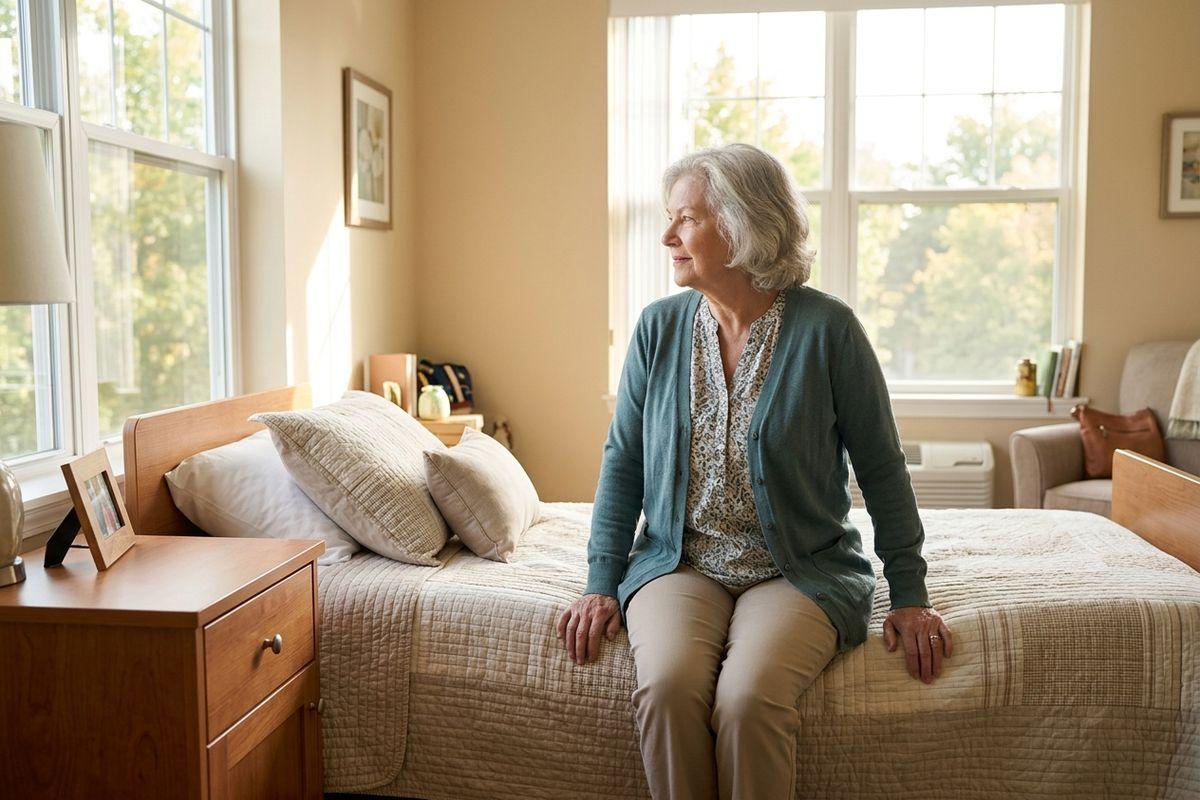
Respite care is a short-term stay in a senior living community. Your loved one moves into a furnished suite with access to meals and activities. In addition, they receive daily support while you take the time you need away.
The timing can bend to fit your life and your schedule. A few days, a long weekend, or several weeks all work. You can plan the stay based on what’s happening at home and your budget. It also helps to first browse the floor plans to picture where your loved one might settle in.
When Families Choose Respite Care
Families reach for respite care in all kinds of moments, big and small.
- Recovery after surgery or an illness, when extra hands make the days smoother
- Travel, work trips, or a wedding across the country
- A season when you simply need rest and time to recharge
Every one of those reasons is a good one. You don’t need an emergency to justify a much-deserved break.
Ways Respite Care Eases Caregiver Burnout
Time off only helps when you’re not spending it worrying. Knowing your loved one is enjoying a warm meal and good company allows you to focus on resting and recharging.
With respite care, you get to go to your own dentist appointment again. You can run the errands you keep postponing and go on an unhurried grocery run.
Benefits for Your Loved One
- Chef-prepared meals and daily activities that invite conversation
- Comfortable suites with accessible design that supports doing things independently
- New friendships with neighbors and caregivers who genuinely enjoy their company
- A gentle preview of assisted living or memory care without pressure
Plenty of families find that a short stay is the most direct way to ease their loved one’s concerns about senior living.
Steps to Recover From Caregiver Burnout
Sometimes, caregivers are unsure about how they can alleviate caregiver burnout for themselves. Try following these simple steps to begin your recovery.
- Name what you’re feeling honestly, out loud or on paper.
- Ask family members to take specific tasks, like Thursday pharmacy runs or monthly bill paying.
- Book regular breaks on the calendar instead of waiting for an occasional one.
Simple Habits That Help
Aside from utilizing respite care, there are a few habits that you can pick up to prevent caregiver burnout.
- A consistent bedtime and balanced meals you actually sit down to eat
- A short daily walk or ten quiet minutes with the door closed
- A caregiver support group, online or nearby, where people understand
How Long Recovery Usually Takes
Recovery looks different for everyone. It’s shaped by your situation and how long you’ve been running on empty. The important thing to recognize is that rest works when it repeats, not when it happens once.
Progress often feels gradual. One morning you notice you slept through the night. Then later, you catch yourself laughing at something small. Those moments add up to make something bigger for mental health.
Finding the Right Support for You and Your Loved One
Respite care works well as ongoing relief, not a last resort. When you tour a community, ask about suite options, daily activities, and how personal care is arranged.
Our team at All American Assisted Living at Warwick would love to show you around. We’re always happy to talk through what a short stay could look like for your family. If you’re experiencing caregiver burnout, don’t be afraid to reach out to schedule a visit. We’re here to help each and every family caregiver find calm moments.