
Key Takeaways
- Respite care is short-term support that gives family caregivers time to rest.
- Stays can last a few hours, several days, or a couple of weeks.
- Constant tiredness, skipped meals, and canceled plans are signs you could use a break.
- Your loved one enjoys meals, activities, and friendly faces during the stay.
- Short-term care can also serve as a gentle trial run before assisted living or memory care.
Why a Short Break Can Change Everything
You’ve probably had one of those days. You skipped your breakfast to go to the doctor’s with your loved one. When you came back, you saw the laundry piling up and the mail unopened. Every day presents new things to do.
Caring for someone you love is meaningful work, but it takes more time than most could imagine. All American Assisted Living at Warwick understands how full those days can feel.
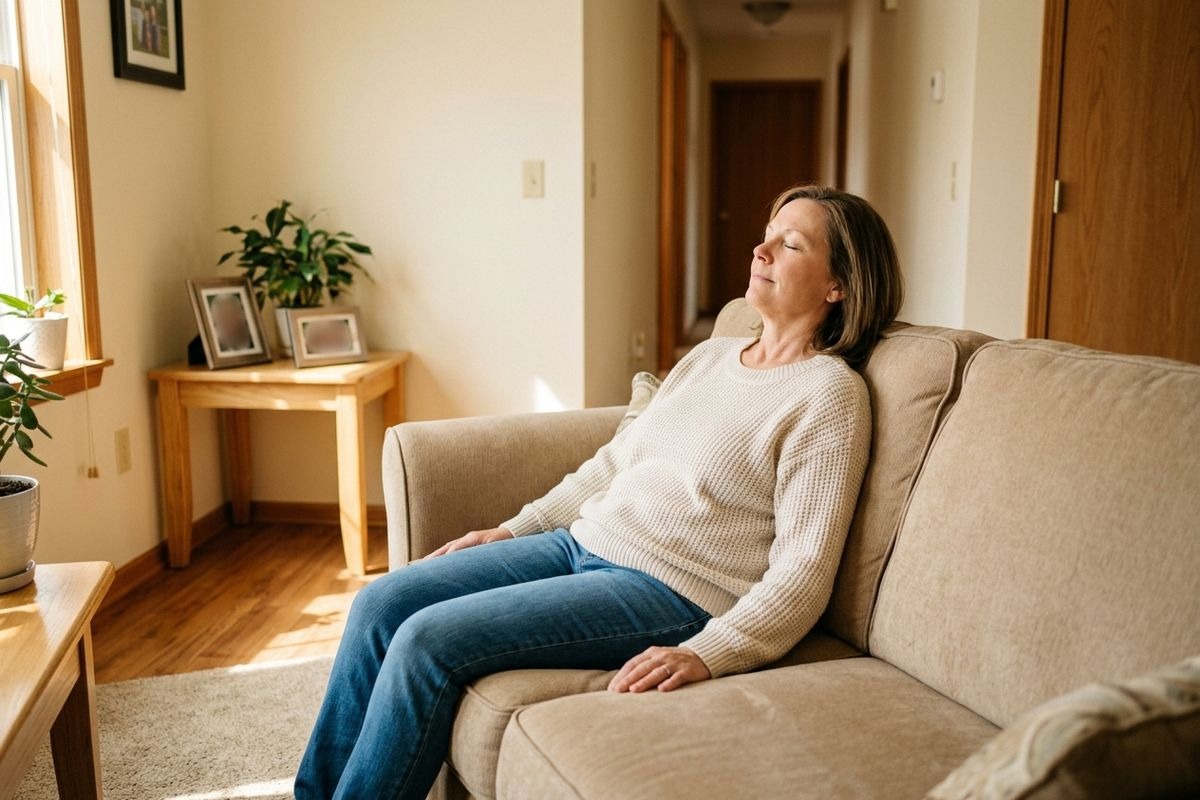
That’s why senior living communities provide respite care. It gives you time to rest and recharge while your loved one receives attentive support. This helps you return with more energy and a clearer head.
What Respite Care Means for Families
Respite care is short-term care that steps in so you can step away momentarily. You can plan it months ahead for a vacation, or arrange it on short notice when something unexpected comes up.
One of the major appeals of respite care is that stays are flexible. Some families may want a few hours to catch up on sleep. Others may book it for several days or a couple of weeks for a much-deserved break.
Common Types of Short-Term Support
Support looks different for every family. Many caregivers rely on short-term support without ever calling it respite care. Below are a few examples.
- Help from friends, family members, or neighbors who can sit with your loved one
- In-home care provided by a trained caregiver
- Overnight or extended stays in a senior living community
Signs You Could Use a Break
Caregiver fatigue rarely arrives all at once. It builds quietly, one canceled plan at a time. And before you know it, you barely recognize your own routine.
Caregiver burnout isn’t a flaw or a fault. It’s a sign that you care deeply. However, letting the fatigue take its course can ultimately compromise care. That’s why it’s important for caregivers to recognize these signs early.
- You’re tired no matter how much sleep you get
- Meals get skipped or eaten standing over the sink
- Friends stop calling because you always have to say no
- Your own checkups keep getting pushed to next month
How Respite Care Supports Caregiver Well-Being
You may think a short break wouldn’t do much. The truth is that even an overnight respite care stay can give you time to sleep through the night. You can book the dentist appointment you’ve postponed twice. You can meet a friend for coffee.
Caregivers often come home with a sharper mind and steadier energy. And this, in turn, allows for better care in the long run.
Why Your Loved One Benefits Too
A respite stay isn’t time away from care. Rather, it’s time surrounded by it. Days include shared meals, social activities, and friendly faces who greet your loved one by name.
Personalized help with daily routines keeps everything familiar. With the right kind of support, your loved one can relax while you do the same.
What a Respite Stay Looks Like in Senior Living
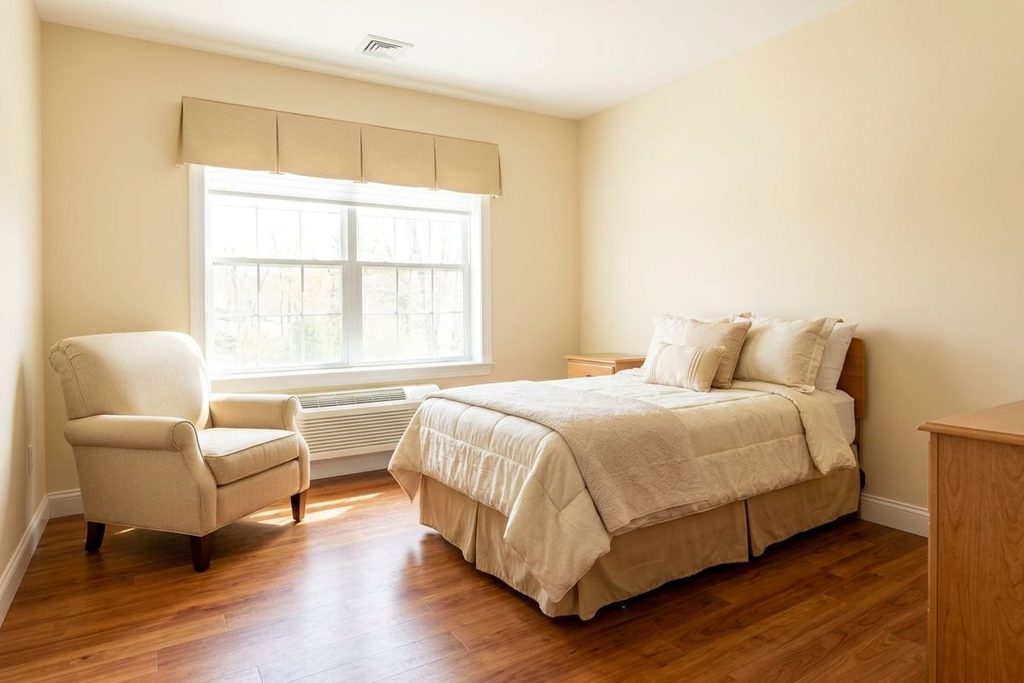
Picture a furnished suite with a comfortable bed, space for a favorite photo, and a window that invites the morning light. Meals are chef-prepared, so nobody’s worrying about cooking dinner. The floor plans give a good idea about the space.
Team members are dedicated to providing support with dressing, bathing, and medication reminders. Everything is delivered with warmth, and served with a side of respect for independence.
When Short-Term Care Makes Sense
- Travel, work trips, weddings, or family events
- Recovery time after surgery or an illness, for either of you
- A trial run before moving into assisted living or memory care
- Seasonal stretches when your schedule gets especially full
How to Plan Your First Respite Stay
Getting started is simpler than most families expect. Knowing when to consider respite care takes away the guesswork. Try following the steps below.
- Write down the daily help your loved one needs, from morning routines to bedtime habits
- Ask about available dates, costs, and flexible payment options
- Pack familiar comforts like a favorite blanket and photos, then share routines with the care team
Give Yourself Permission to Rest
Respite care should never be a last resort. In reality, it aims to provide ongoing support for caregivers. That’s why many families build it into their yearly calendar.
All American Assisted Living at Warwick offers respite care, assisted living, and memory care. We believe that families deserve to have options as needs change.
Don’t hesitate to reach out and schedule a tour. Our team is always happy to show you the suites and answer all the questions you have about senior living.