
Key Takeaways
- Mobility changes are common with age and can stem from arthritis, balance issues, or conditions like Parkinson’s
- Assisted living communities feature accessible design throughout shared and private spaces
- The community team can adapt personalized care plans to each resident’s unique mobility needs
- Wellness programs can help build strength, improve balance, and reduce fall risk
- Frequent falls or trouble with daily tasks may signal it’s time to explore senior living options
Mobility Challenges and What Assisted Living Can Offer
When getting up from a chair starts to feel like a major effort, or when a simple trip to the bathroom brings real worry, everyday life can feel a lot heavier. Mobility changes can chip away at a person’s sense of freedom, and that’s a hard thing to watch happen to someone you love.
All American Assisted Living at Warwick and communities design a lifestyle to meet these challenges head-on, offering accessible spaces, personalized support, and wellness programs that help residents move through their days with comfort and independence.
Whether your loved one is navigating joint pain or recovering from a health event, the right environment can make a meaningful difference.
Common Reasons Mobility Changes With Age
Mobility doesn’t change overnight. For many older adults, it’s a gradual shift that starts with small things, like morning stiffness or feeling less steady on certain surfaces. Arthritis and joint pain are among the most common culprits, making routine movement feel uncomfortable over time.
Balance issues and muscle weakness also raise the risk of falls, which can become an increasing concern at home. Conditions like Parkinson’s or the effects of a stroke can further affect coordination and make daily movement more unpredictable.
Knowing what’s behind these changes is the first step toward finding the right kind of support.
Accessible Design That Makes Life Easier
Features Built for Safe, Easy Movement
A well-designed senior living community can remove the barriers that make moving around stressful.
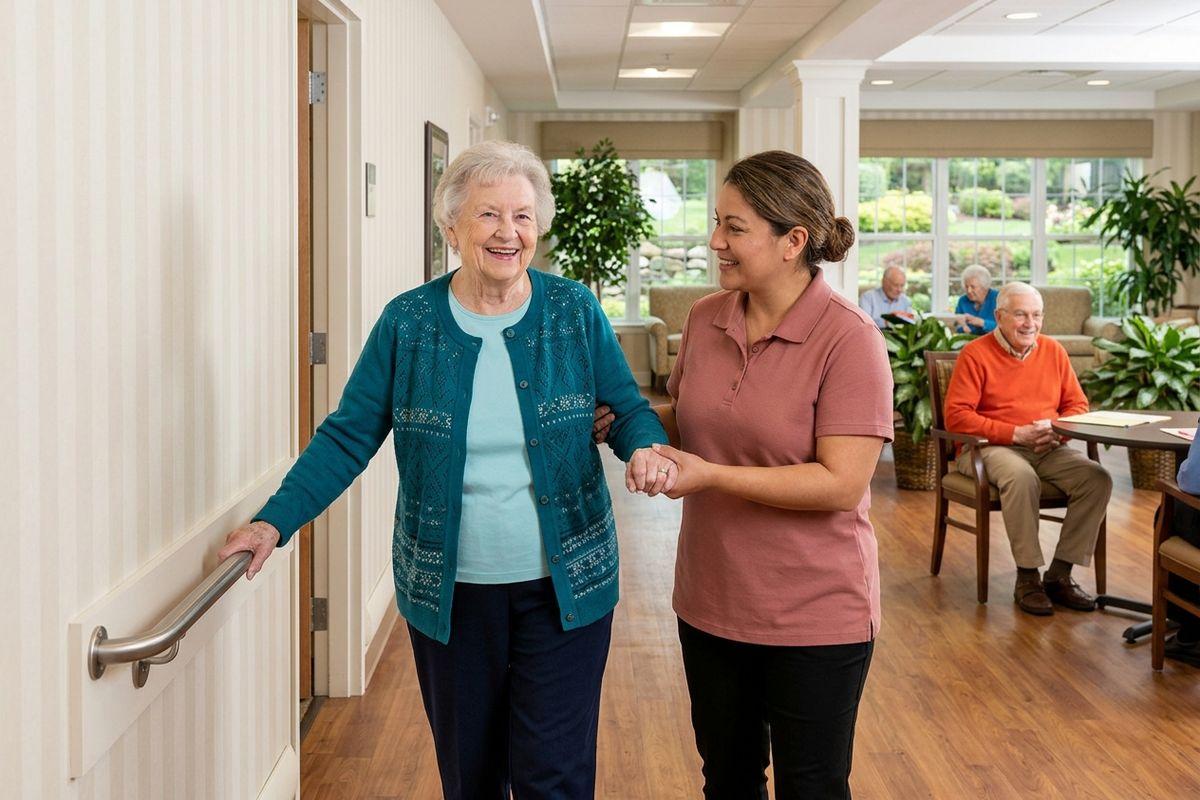
Wide hallways, ramps, and step-free entrances mean a wheelchair or walker doesn’t slow anyone down. Grab bars, nonslip flooring, and accessible bathrooms add another layer of everyday safety.
Emergency call systems placed throughout shared spaces and private suites also give residents and families extra peace of mind. Help is always close by when it’s needed.
Suites Designed Around Comfort and Safety
Inside each suite, thoughtful details make a real difference. Walk-in showers with built-in seating make bathing easier and safer. Adjustable beds and furniture at accessible heights can reduce unnecessary strain.
The community plans layouts to minimize obstacles, helping residents to move through their own space with ease.
These aren’t just functional touches. They’re what allow someone to feel at home while still feeling supported every single day.
Personalized Care and Daily Support
Hands-On Help When It’s Needed
Some days call for more support than others, and that’s completely okay. Caregivers trained in safe mobility assistance can help with bathing, dressing, and transfers, all while treating residents with dignity and respect.
The goal is always to lend a hand without taking over.
That balance between help and independence matters deeply. Residents are encouraged to do what they can on their own, with support there whenever they need it.
Understanding how nursing support works in assisted living can give families a clearer picture of what daily care looks like.
Care Plans Tailored to Each Resident
No one experiences mobility challenges in exactly the same way, which is why personalized care plans are so valuable. Assessments help identify the right level of daily support right from the start. As needs change over time, the plan changes with them.
The flexibility helps residents receive care that fits their current situation, not a one-size-fits-all approach. Independence is encouraged wherever possible, because it matters for quality of life.

Wellness, Activity, and Social Connection
Programs That Build Strength and Balance
Staying active looks different for everyone, but movement is still incredibly valuable at any stage of life.
Chair exercises, gentle stretching, and group fitness classes are designed with varying mobility levels in mind. The on-site wellness program can help residents improve movement and stability in a supportive setting.
Regular wellness checks track residents’ progress over time, making it easier to adjust activities and care as needed. Small, steady steps forward can add up to a real improvement in day-to-day life.
Social Life That Stays Accessible for Everyone
Mobility challenges should never mean missing out on connection. Dining rooms, activity spaces, and common areas are all wheelchair-accessible, so every resident can take part in community life.
Group events and outings are open to all mobility levels, keeping social opportunities within reach for everyone.
That sense of belonging matters more than people often realize. Staying connected to others reduces isolation and supports overall well-being in a way that care alone simply can’t replace.
Signs It May Be Time to Explore Senior Living Options
If your loved one has experienced frequent falls or if they’ve started to fear falling at home, that’s worth paying attention to. Trouble managing daily tasks like dressing or preparing meals is another sign that extra support could help.
And if the home environment itself has become a safety concern, exploring assisted living or memory care may be the most caring step you can take.
Reaching out to a community like All American Assisted Living at Warwick can help your family explore the right fit. Scheduling a tour is a wonderful place to start, so you can see firsthand how life here feels warm, supportive, and full of possibility.